“The Spirit searches all things, even the deep things of God” (1 Corinthians 2:10).
Life feels . . . complicated right now. I’m overwhelmed in ways that I find hard to explain, even to myself. Some of it’s due to turmoil in our country and in the world, much of it is due to turmoil inside. And none of it can easily be put into words.
When life feels like too much to carry, to begin to understand—much less to respond to without just adding further noise and pain to the chaos—I turn to poetry.
Poets seem to know the harm that can be caused by rushing to say too much too soon. They understand the value of approaching life’s wounds with tenderness and gentleness. Of holding space for what feels conflicting even contradictory, leaving room for acceptance and understanding to grow.
Right now, it’s Emily Dickinson’s poem “I measure every Grief I meet”[1] that lingers with me as an example of wrestling with pain in all its complexity. Dickinson describes measuring “every grief [she] meet[s] / With narrow, probing, eyes–,” wondering if it “weighs like Mine – / Or has an Easier size.”
Most of the poem is that “probing,” looking closely at the ways others carry their unique wounds throughout their lives. Emily Dickinson only refers to her own pain a few times in the poem. But over and over she asks, “I wonder.” She writes,
I wonder if it hurts to live –
And if They have to try –
And whether – could They choose between –
It would not be – to die –
We begin to realize these questions aren’t just about others’ pain, but about her own, about a pain she feels so deeply she hardly dares to say it out loud. So instead she “wonders” whether others feel the same, and whether others have found hope.
[1] https://poets.org/poem/i-measure-every-grief-i-meet-561
In the end, she finds examples of both healing and seemingly unhealed pain and despair in others, and I get the sense her questions are not answered. Finally, tentatively, she ends at the only place she really sees her pain reflected, finding “piercing Comfort” in “passing Calvary” and finding at last not only others’, but her own wounds reflected in the Savior’s: “fascinated to presume / That Some – are like my own –”
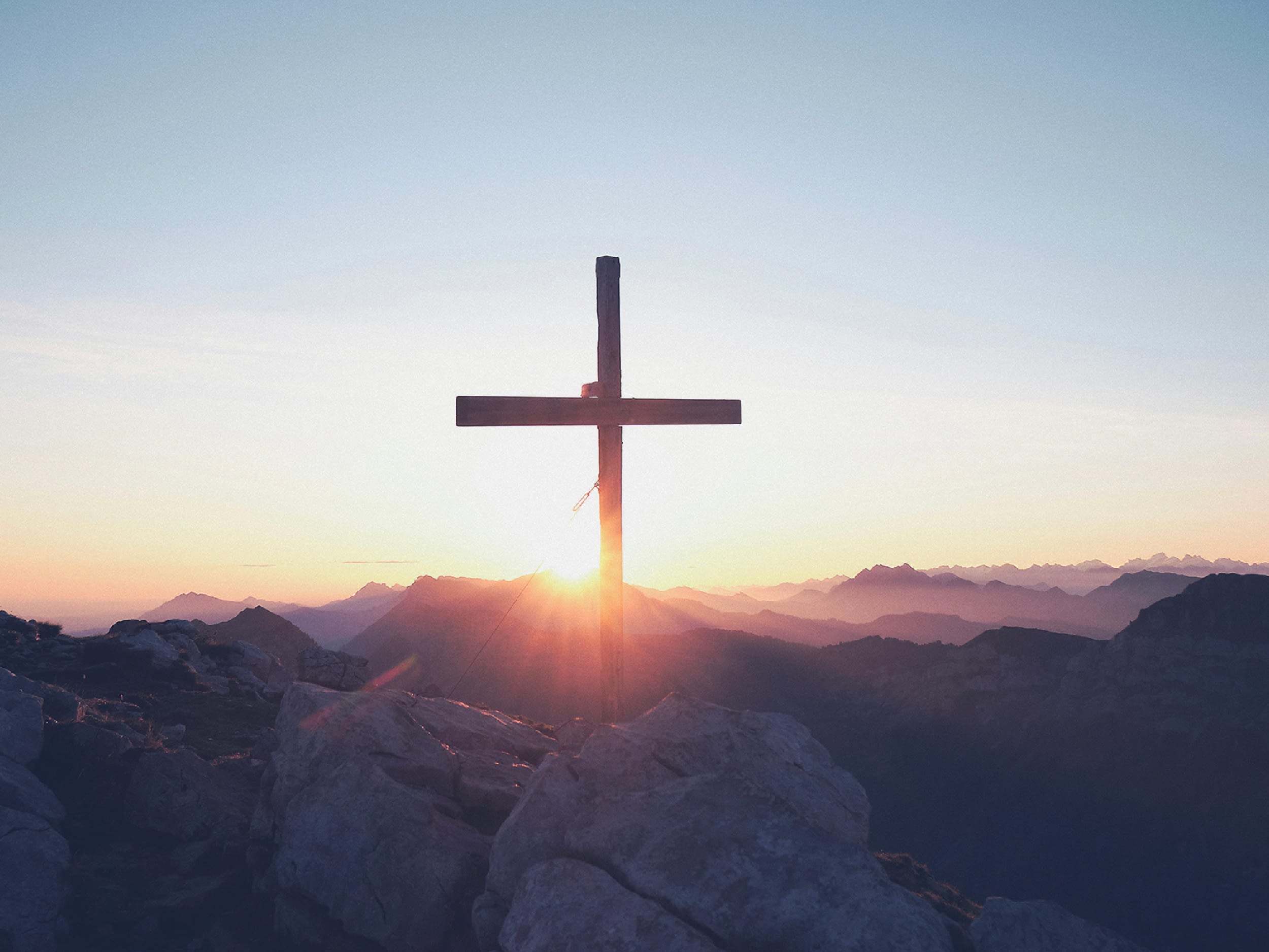
Dickinson’s poem lingers with me because it reminds me that when life overwhelms us, when it silences us, we don’t need to rush to find answers that neatly wrap everything in a bow. Instead, we can see reality for what it is—in all its complexity and unresolved pain. And we can rest in silence at the foot of the cross—the place where every grief was carried.
—Written by Monica La Rose. Used by permission from the author.